Michael James Joseph (MJJ).
I build machines that move — and companies around them. A lifetime studying human movement, three companies built from zero, and a lot of late nights at a desk not unlike the one behind this text.
A lifetime studying how humans move.
I’ve spent my entire life studying human movement — first as a Virginia State Champion gymnast, then across nearly every sport I could find (football, soccer, basketball, skateboarding, snowboarding, skiing, surfing, mountain biking, tennis, pickleball, ping pong, boxing, martial arts, calisthenics, and weightlifting). Along the way: 10 broken bones, 19 shoulder dislocations, and a torn labrum that required surgery and ultimately ended my gymnastics career. I went on to coach more than 150 students to master their own bodies, then became a bioengineer, aerospace engineer, and robotics founder.
At 27, I’ve helped build three companies from zero and reached millions teaching movement online. Every path pointed at the same problem: understanding how humans actually move, and building machines that do the same.
My father passed away from pancreatic cancer in 2025. He’s my inspiration — he worked his whole life and never got the chance to retire. Iapyx Labs, my third company, is my way of keeping his hard work and memory alive, drawing on that same combination — bioengineering, aerospace systems, and years spent coaching how bodies actually move — now aimed at advancing humanoid robots and exoskeletons.
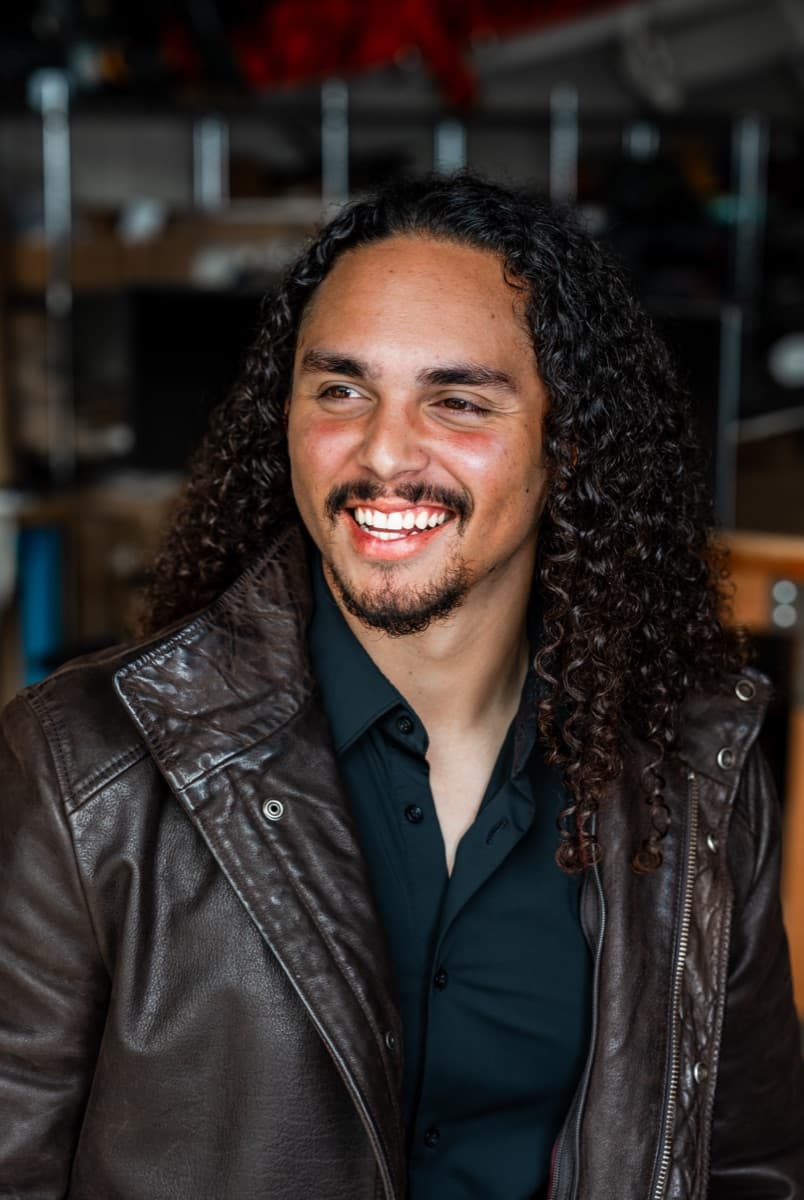
Michael James Joseph (MJJ)
Bioengineer · Aerospace engineer · Founder
LinkedInYouTube · TechYouTube · FitnessTikTokX
- Bioengineer & aerospace engineer
- Virginia State Champion gymnast
- 150+ students coached to master body control
- 15+ sports trained
- 3 companies built from zero
Four companies, three built from zero.
Iapyx Labs
2026 — presentDrives the commercialization of humanoid robots, exoskeletons, and prosthetics. Any robot that needs to understand the way humans move.
Upgrade Energy
2025 — 2026Director. Worked directly under the CEO, starting out leading a team of five, scaling the design and manufacturing of drone battery packs to 50 employees and 5x YoY revenue growth, through a bootstrapped $52M acquisition.
Icarus
2023 — 2025Co-founder. Took the company from 0 to 1 — owned power, avionics, comms, ground stations, and flight test for Apollo, a High-Altitude Pseudo-Satellite demonstrator aircraft — then left to pursue battery technology full-time, a major limitation of the technology we were building at Icarus. After I left, the company went through Y Combinator and raised an estimated $20M+ (not publicly disclosed).
VAROS Technologies
2021 — 2023Co-founder. Built 3D visualization software to help patients understand and adhere to clinical trials. Never made it through the trials ourselves — an early lesson in the realities of building in different regulatory environments.
Age 7 to 27, in brief.
Started competitive gymnastics.
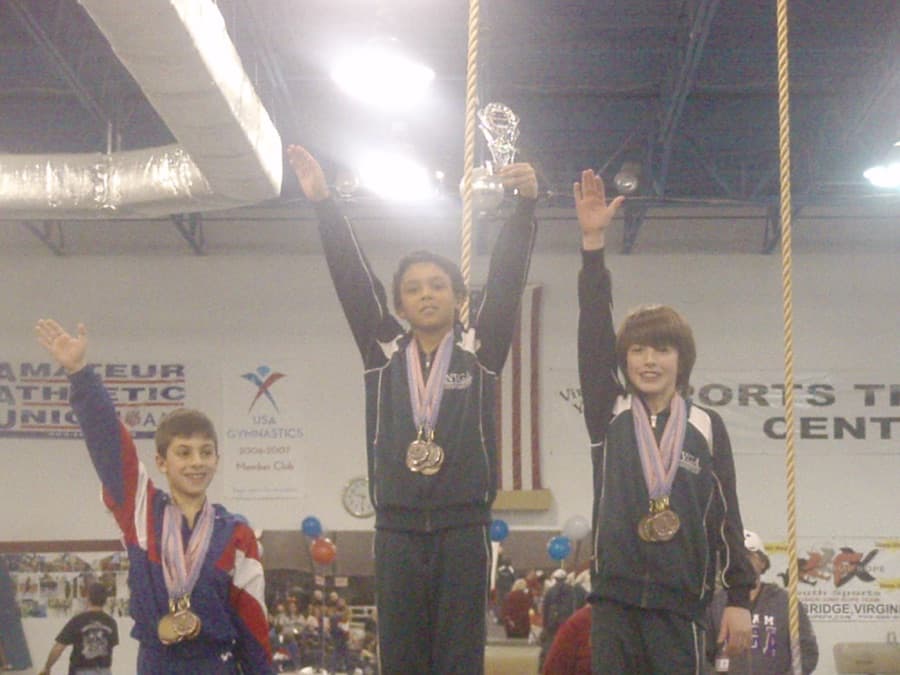
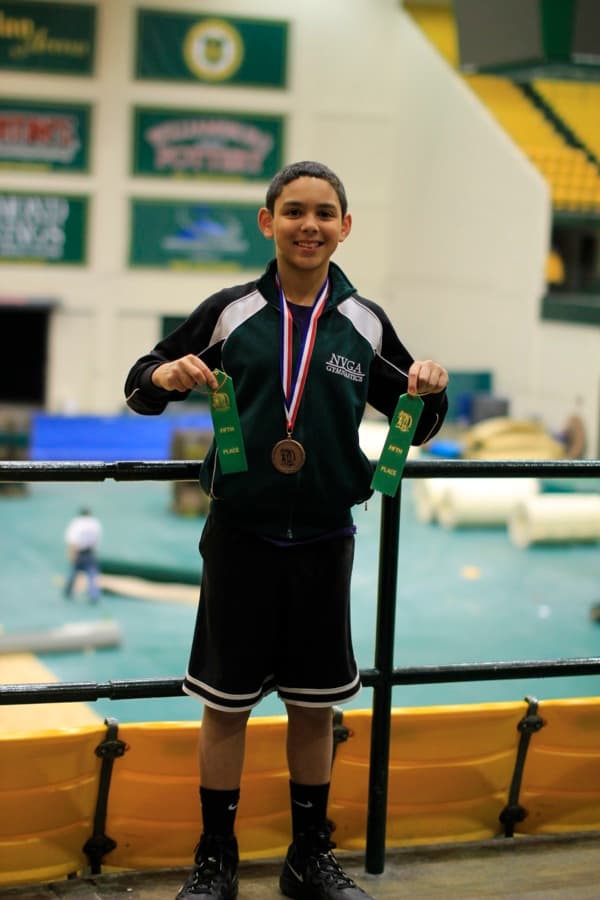
On the podium in my early competitive years.
Designed roller coasters in NoLimits 2, with a Newton2 physics add-on — my first CAD tool.
I couldn't get to the amusement park as often as I wanted, so I started designing the rides instead.
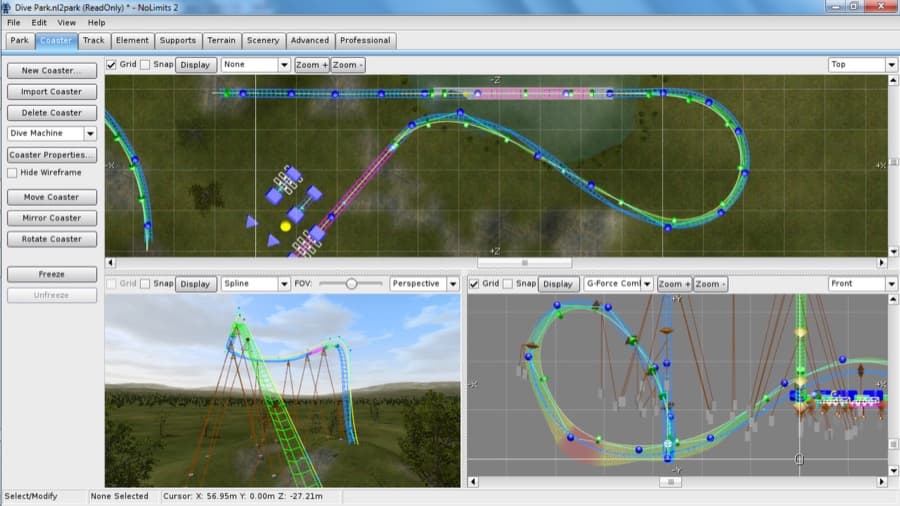
Representative image, not my own work — NoLimits 2's track editor.
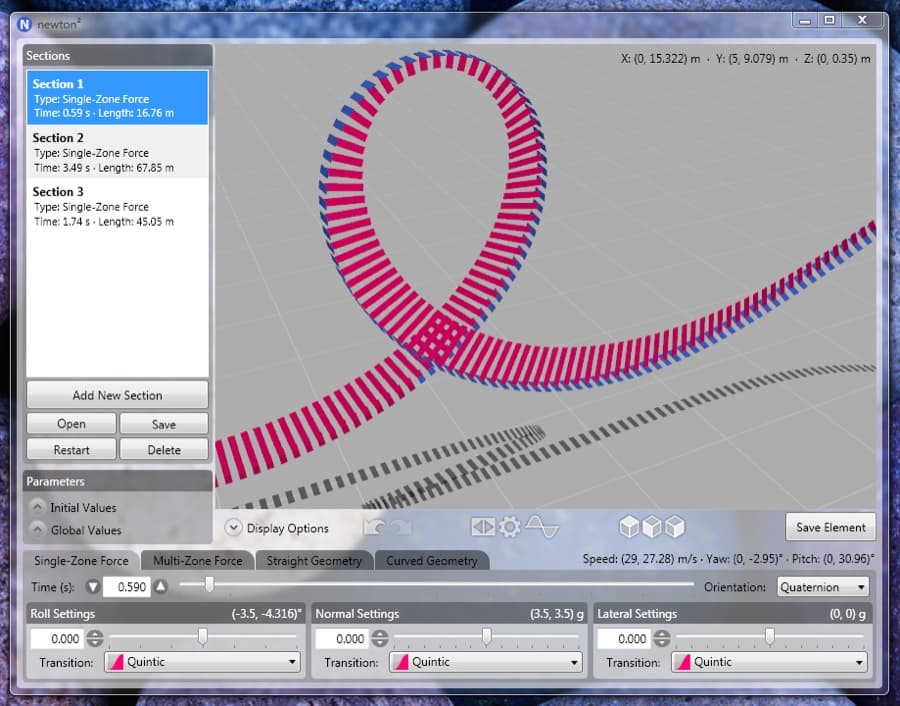
Representative image, not my own work — the Newton2 physics add-on.
Virginia State Champion on vault, floor, and pommel horse.
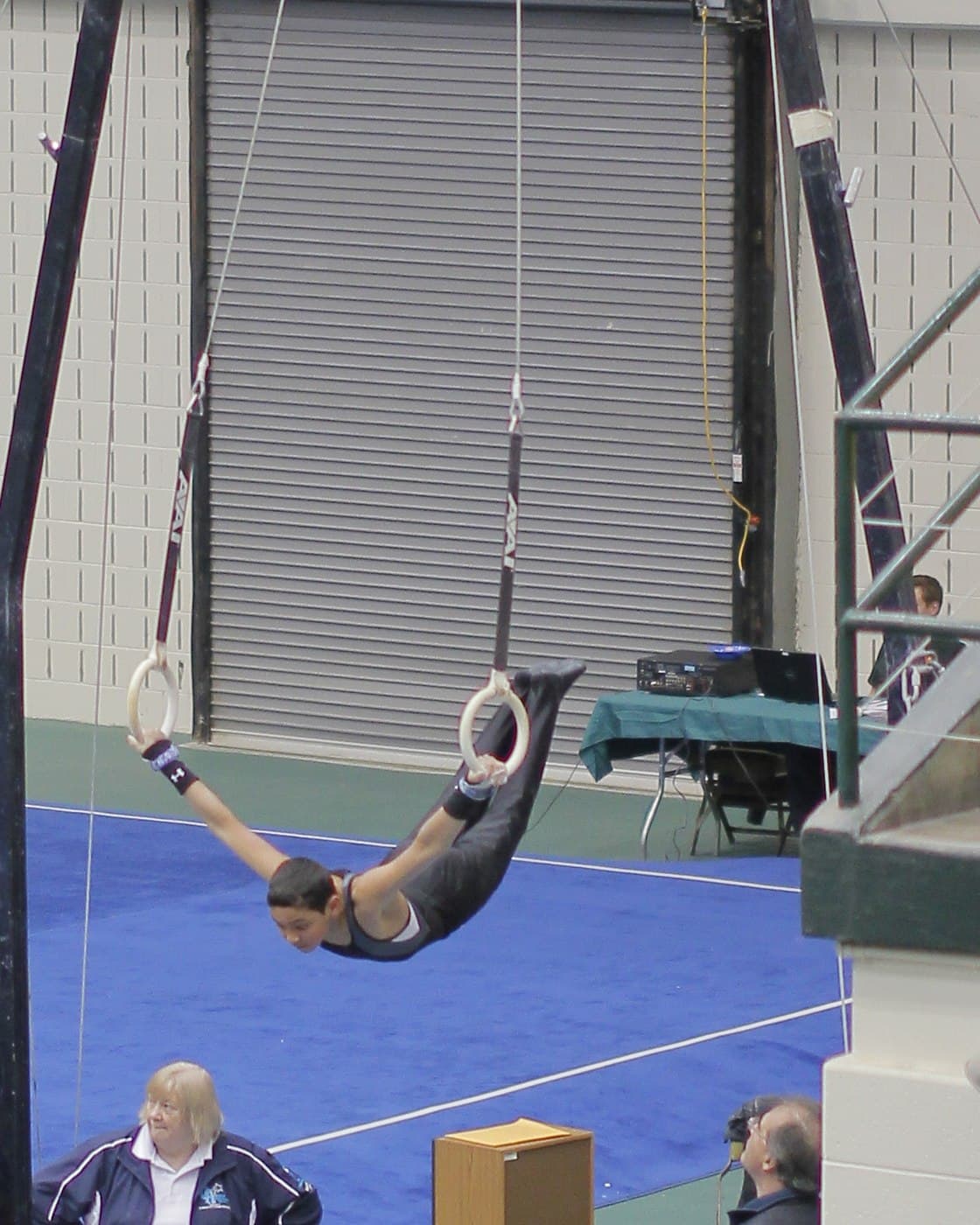
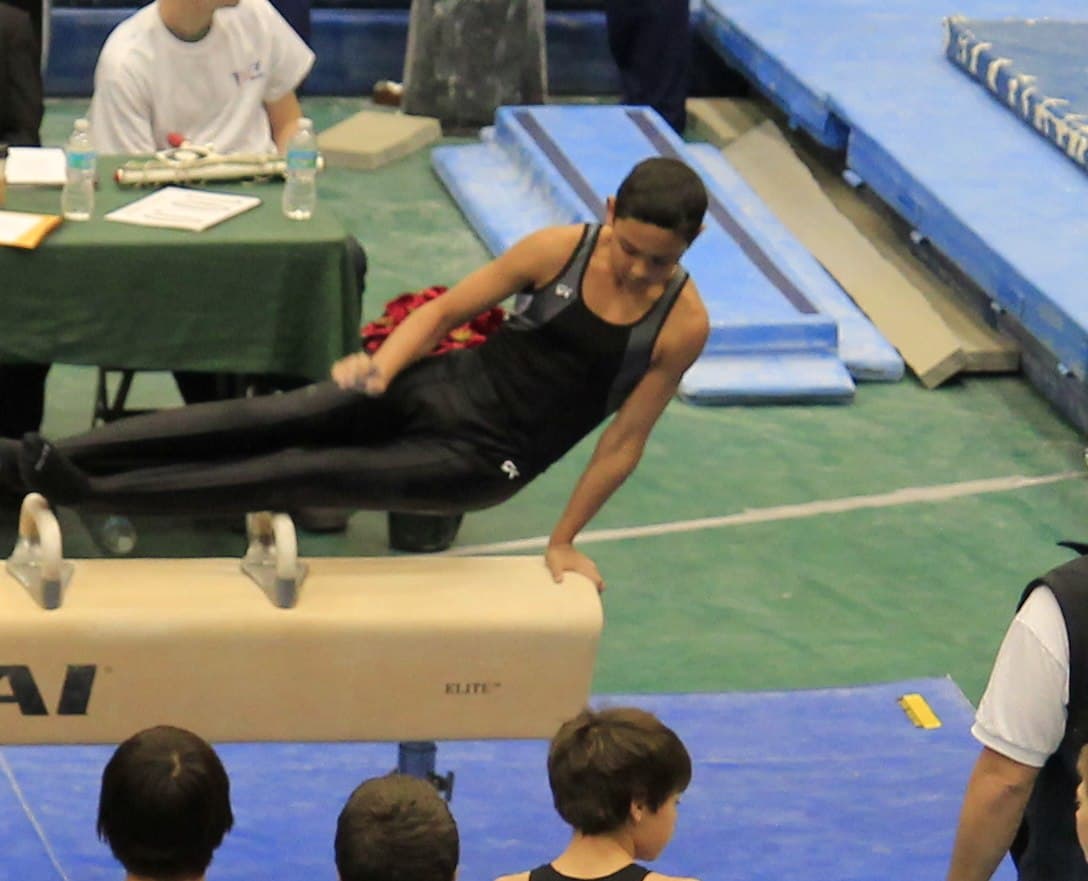
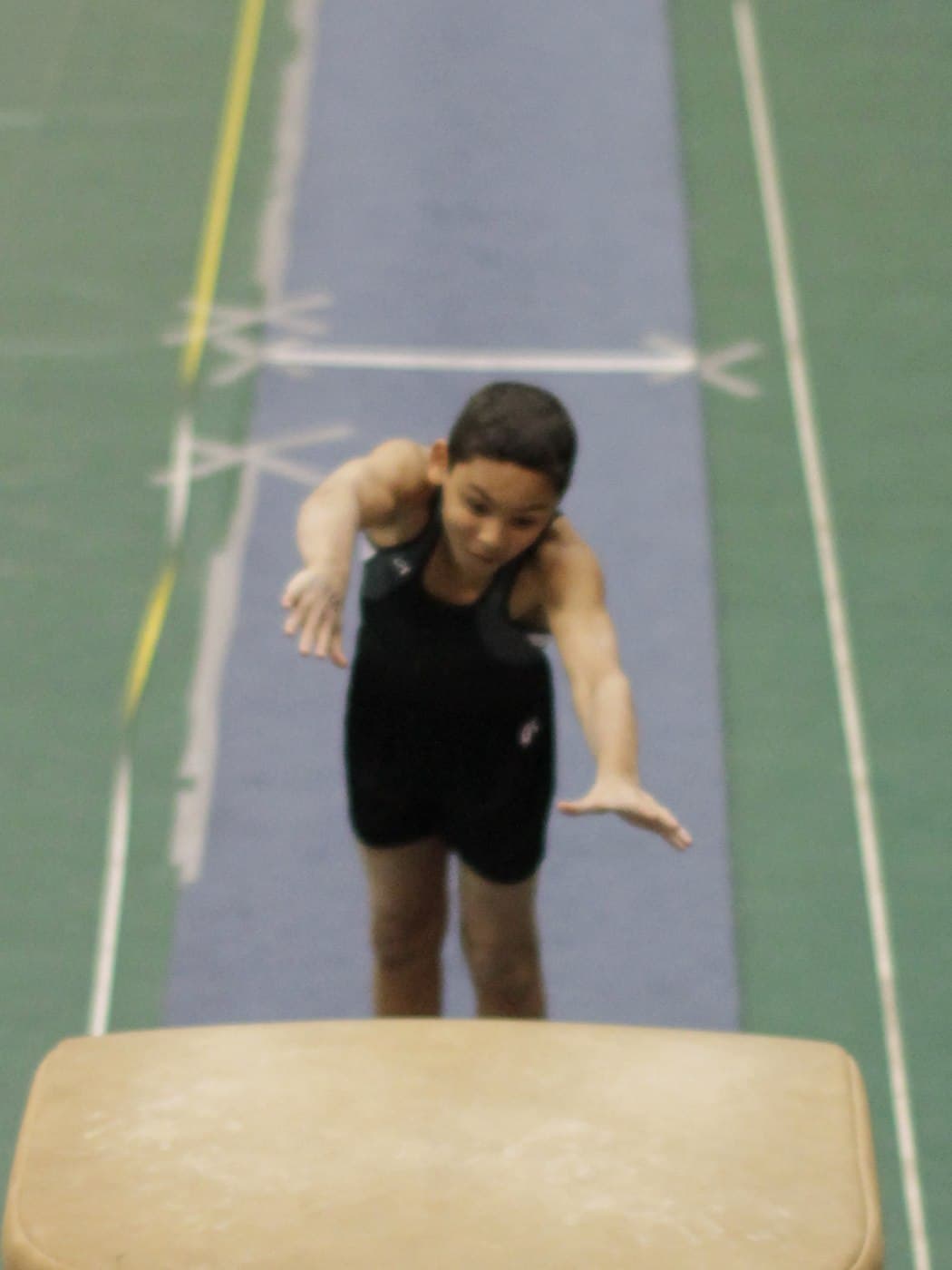
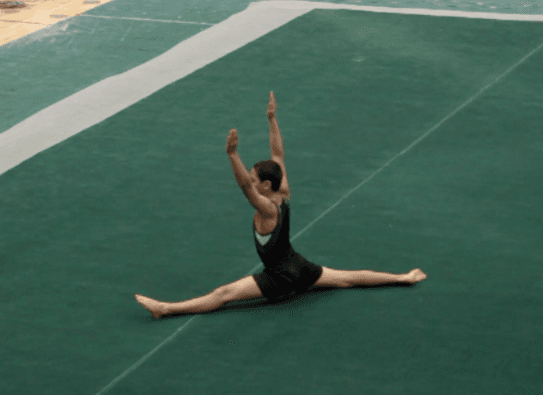
A shoulder injury playing football ended competitive gymnastics — I transitioned to coaching it instead.
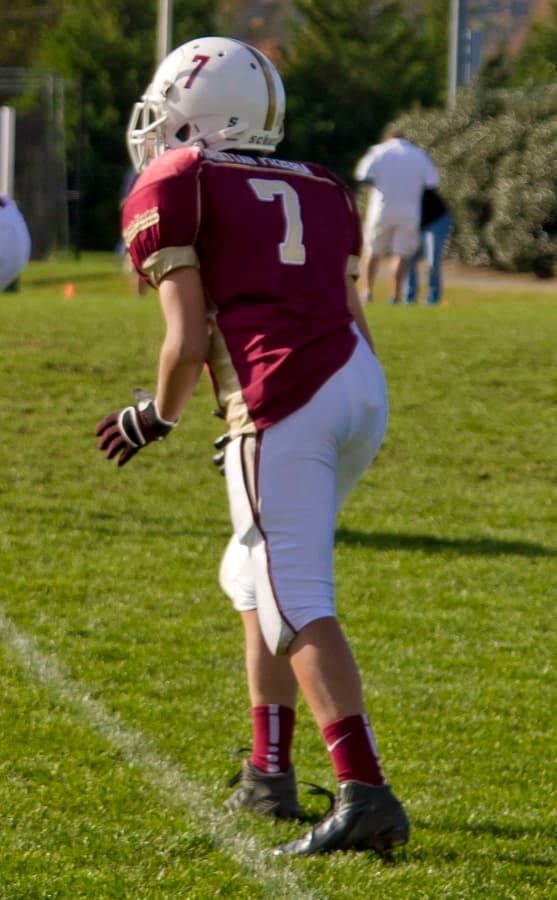
Playing football around the time of the injury.
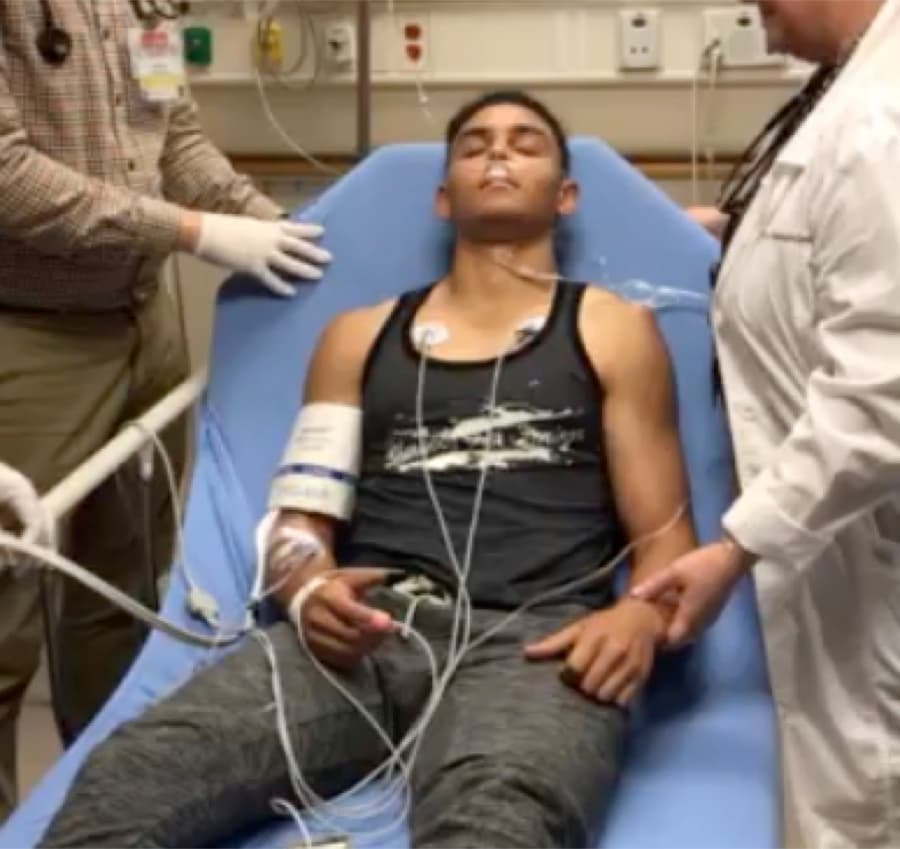
Years later, still experiencing shoulder dislocations from that injury.
Started designing architecture in Revit and mechanisms in SolidWorks.
Recreated my childhood home, and designed an original house built into a cliffside.
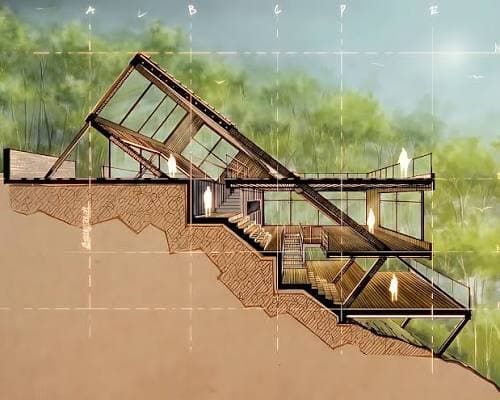
Representative image, not my own work — a cliffside house design.
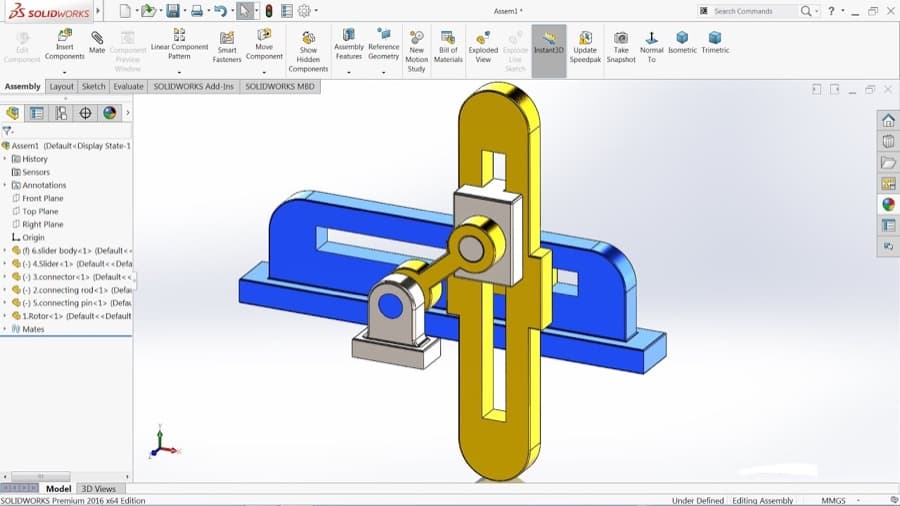
Representative image, not my own work — a slider-crank mechanism in SolidWorks.
Began studying bioengineering and computer science.
While doing research at the GW HIVE lab (Dr. Raja Mazumder’s), I placed top 5 in an FDA bioinformatics appathon. I also built an automation robot, a wearable device, and simulation software.
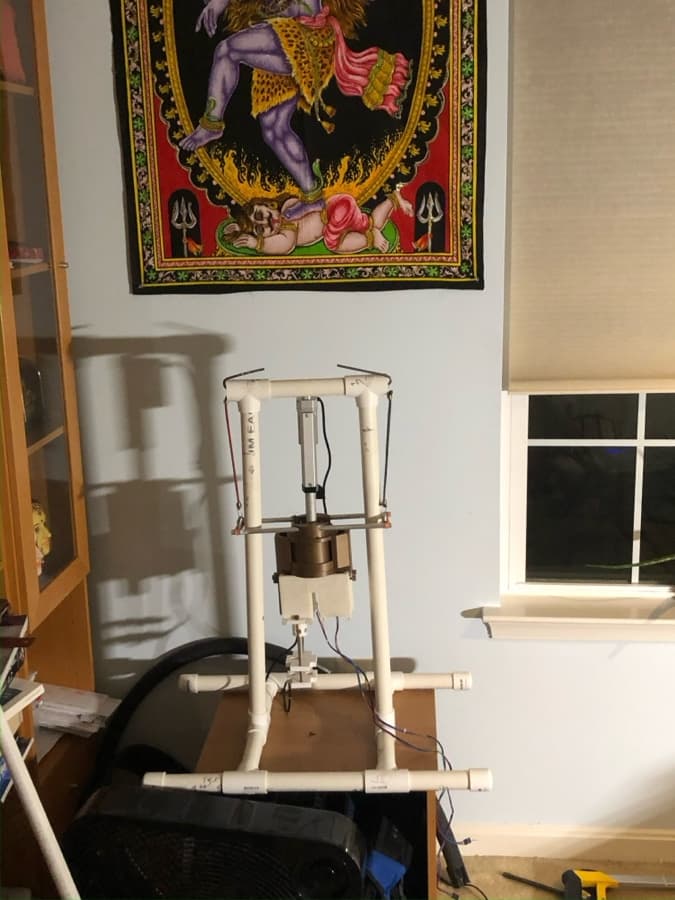
A lab automation robot I built.
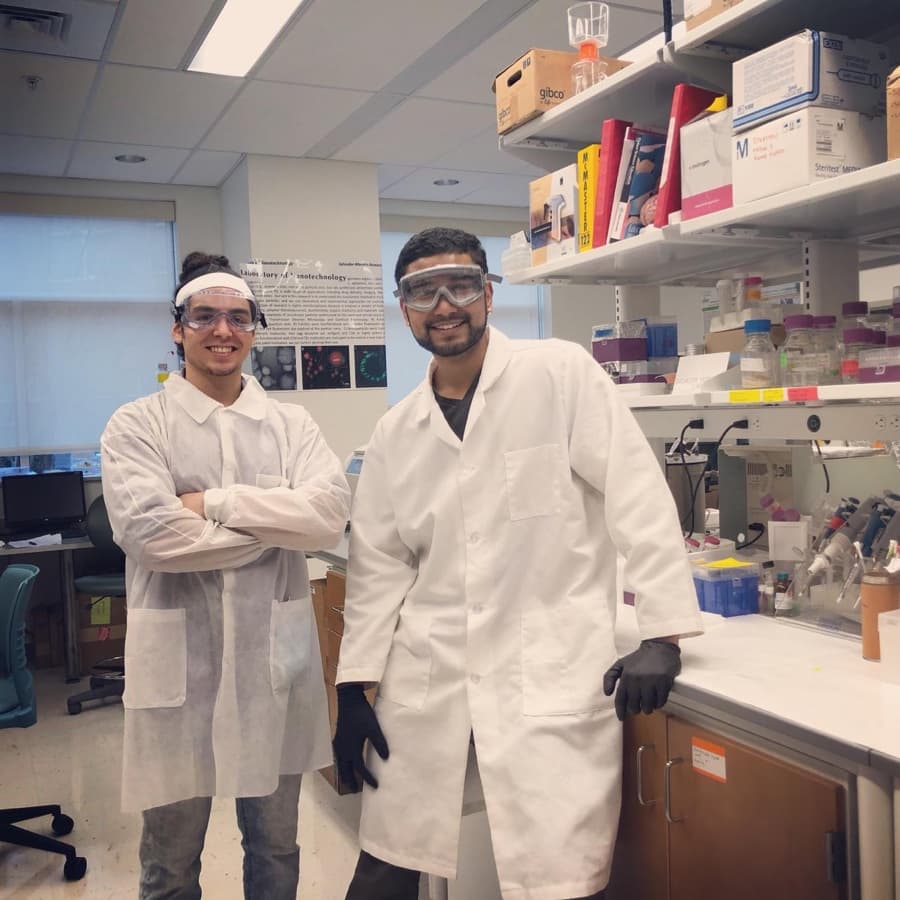
Deploying the automation robot above, in Dr. Carolina Salvador Morales’s nanotechnology lab.
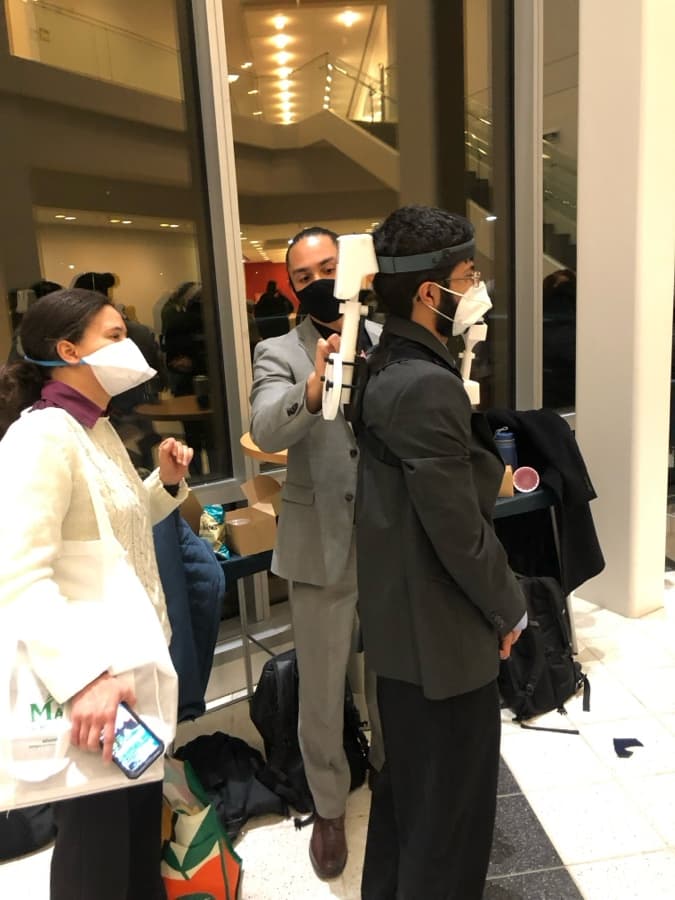
The AMANA Cervical Collar — an adaptable, minimal-contact neck brace with a companion app, sponsored by INOVA.
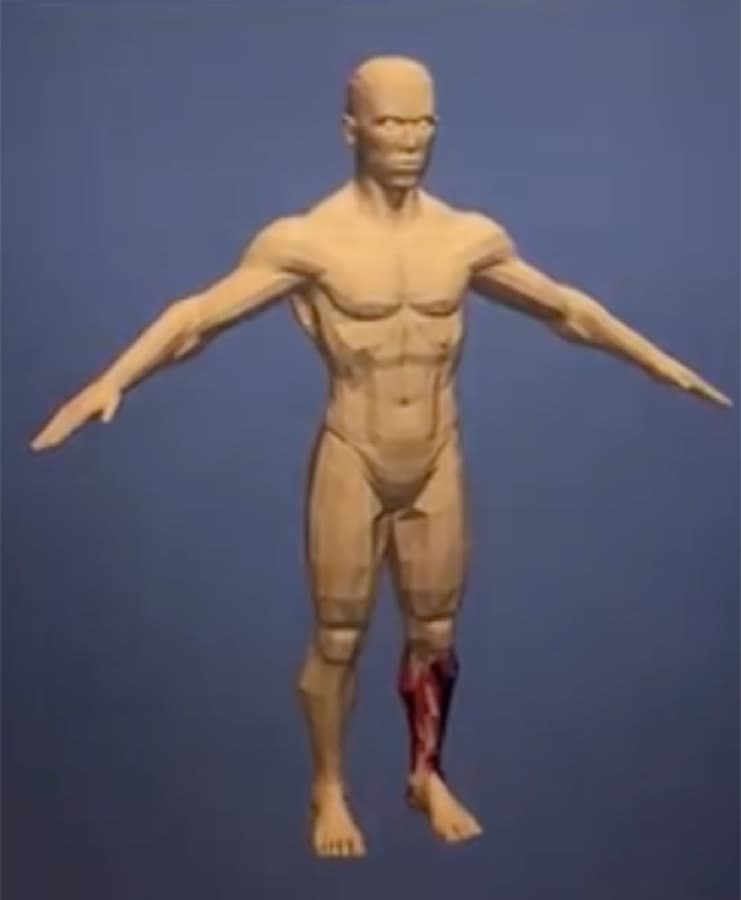
Simulation research with Dr. Juan Cebral, modeling tumor growth.
Grew a TikTok teaching gymnastics and calisthenics.
Taught hundreds of thousands of people how to master body control, reaching 18K followers and 113.7K likes.
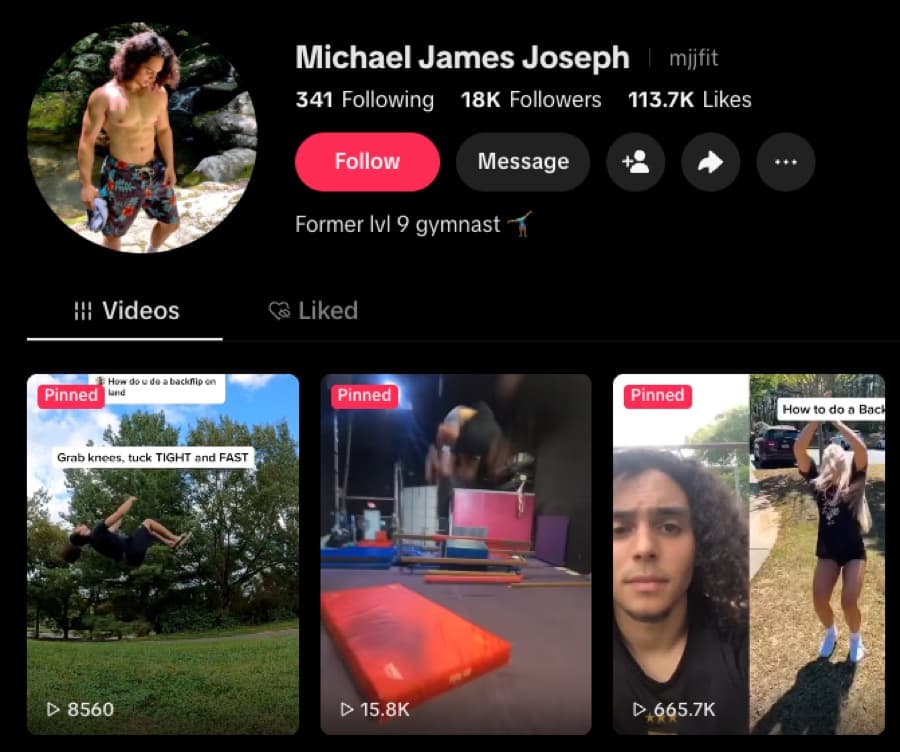
My @mjjfit TikTok.
Started in aerospace.
Built virtual reality environments for astronaut training in Unreal Engine 5, in Northrop Grumman Space Systems’ virtual reality lab under Adeena Mignogna.
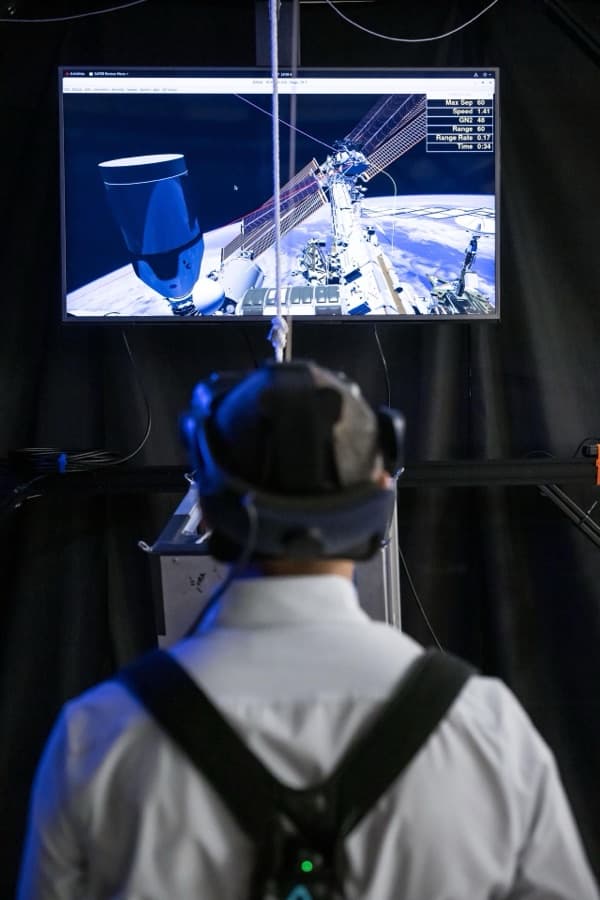
Representative image (NASA astronaut VR training), not my own project. NASA, public domain.
Co-founded my first company — in biotech.
Co-founded VAROS Technologies, Inc., building 3D visualization software to help patients adhere to clinical trials — I taught myself Blender and Unity to build it. The company ultimately failed — we never made it through the trials ourselves, an early lesson in the realities of building in different regulatory environments.
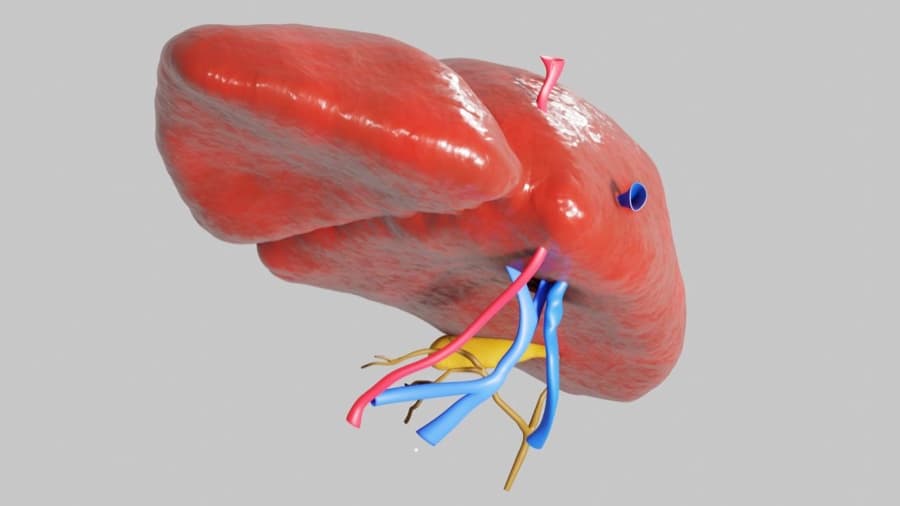
A healthy liver, visualized by the software.
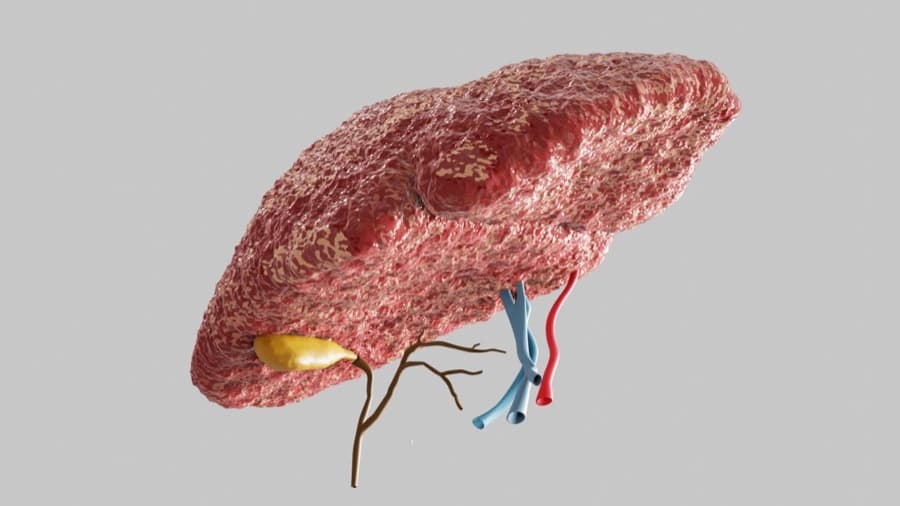
A liver with nonalcoholic steatohepatitis (NASH) — fat and scarring, visualized the same way.
Started the MJJ Tech YouTube channel and taught myself interior design in Blender.
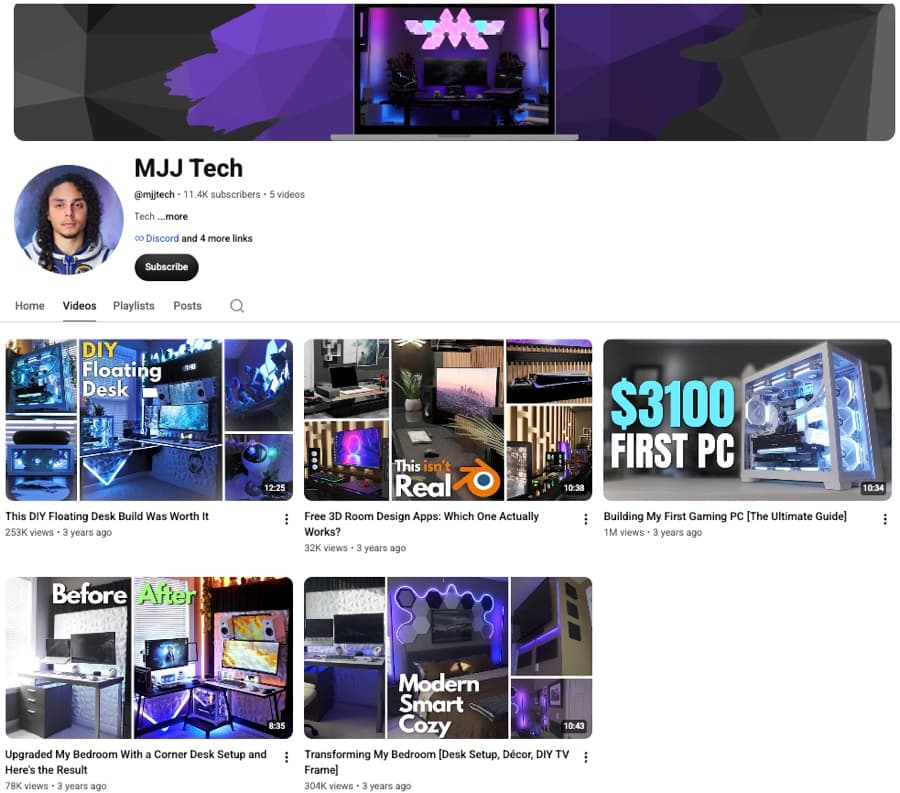
Reached 1.5M views across 5 videos in 5 months. Paused uploading to start Icarus.
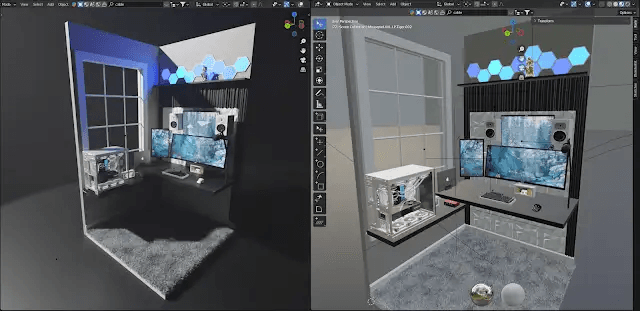
Explore my latest home lab Blender design.

See how I built my floating desk setup.
Joined NASA’s HALO program as an aerospace systems engineer, specializing in computer-based control systems and flight software.
Mostly requirements, verification, and validation work. Northrop Grumman moved very slowly, and while I learned how big companies operate, I wanted to speed up my own pace of learning — so I left to build a company full time at Icarus.
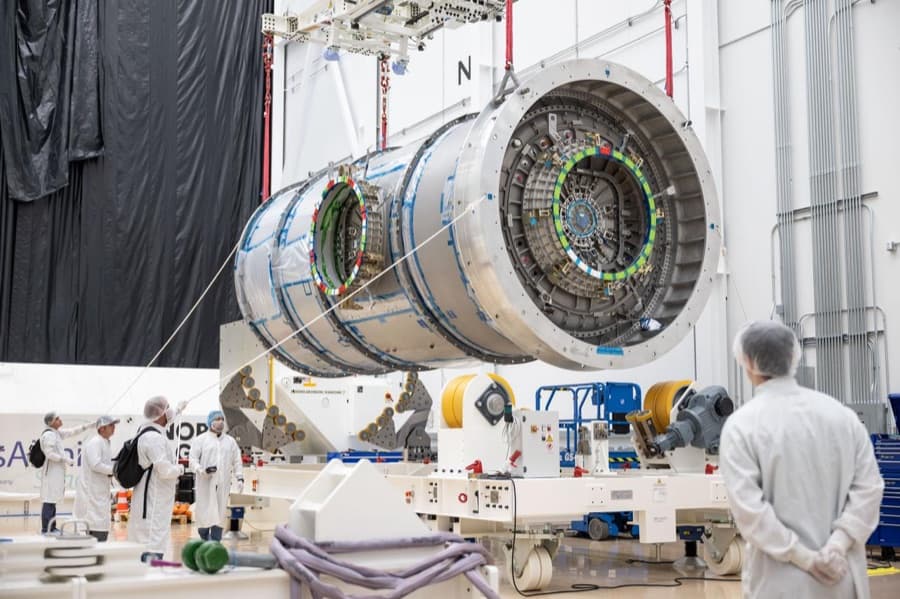
Representative image (Gateway's HALO module), not my own photo. NASA, public domain.
Co-founded my second company, building High-Altitude Pseudo-Satellites (HAPS).
I owned power, avionics, comms, ground stations, and the 4 a.m. flight test campaigns in the Mojave Desert for Apollo — the company's first successful demonstrator aircraft, taking it from 0 to 1. I left to pursue battery technology full-time, a major limitation of the technology we were building at Icarus; after I left, the company went through Y Combinator and raised $20M+ (an estimate — the actual figure was never publicly disclosed).
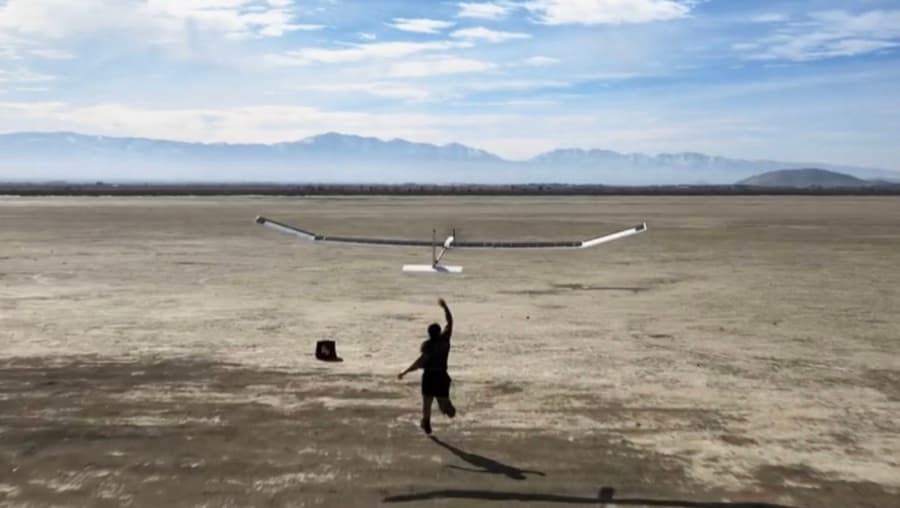
A HAPS flight test in the Mojave Desert.
Joined an early-stage startup as director.
I worked directly under the CEO, starting out leading a team of five, scaling the design and manufacturing of drone battery packs. Within two years, the company grew to 50 employees, achieved 5x year-over-year revenue growth, and was acquired for $52M, bootstrapped. I stayed on at the acquiring company and started building my next company on the side.
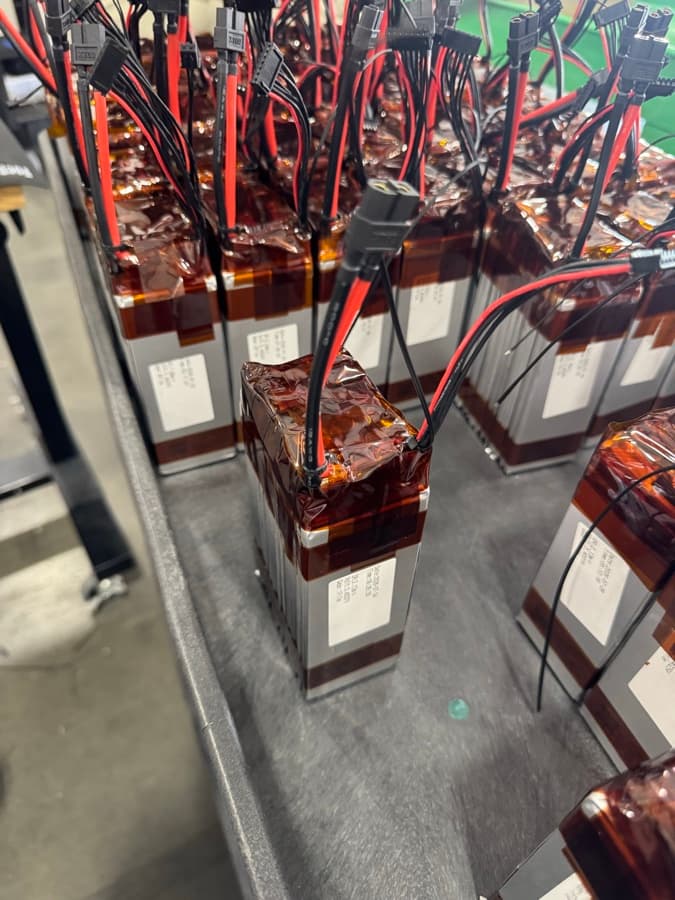
Drone battery packs preparing for packaging at the 18,000 sqr/ft factory in Torrance, CA.
My father passes away. I found my third company: Iapyx Labs.
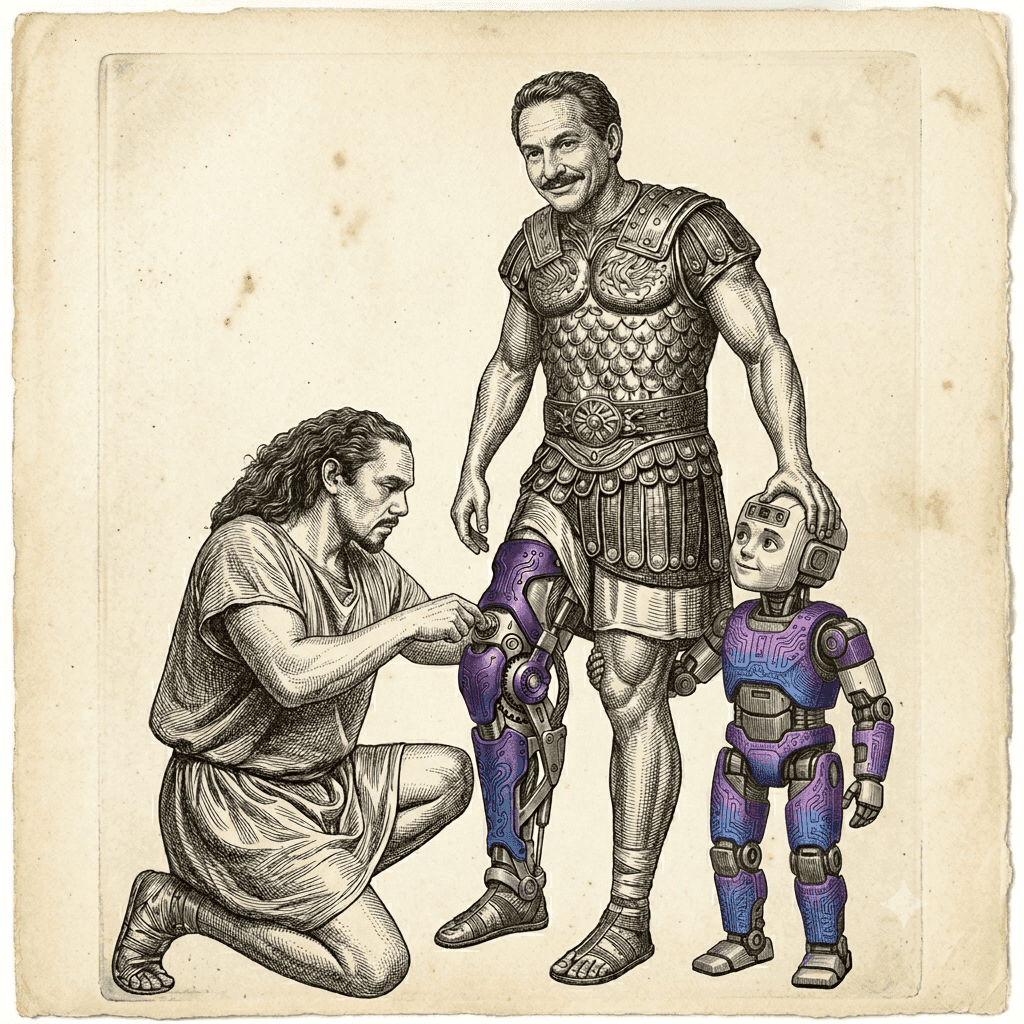
He worked his whole life and never got the chance to retire — he's my inspiration, and this company is my way of keeping his hard work and memory alive. It combines everything I've built toward — bioengineering, aerospace, robotics — into advancing the commercialization of humanoid robots, exoskeletons, and prosthetics.
Let’s talk.
If you care about movement, robotics, or building things from zero — I’d love to hear from you.